


EUMEPS — back to top
EUMEPS · Publication 2026

EPS Solutions for a Resilient & Climate-Neutral Europe

An immersive publication on how Expanded Polystyrene contributes to Europe's circular, resource-efficient and climate-neutral future.

European forest canopy — evoking climate resilience and carbon storage

With contributions from

  • Dr Ingo Bellin · BASF
  • Gregor Haverkemper · BASF
  • Elin Sohlberg · BEWI Circular
  • Gerrit van Veen · De Vries Recycling
  • Amaury Omnès · HIRSCH Isolation
  • Roland Hebbel · Steinbacher
  • Paolo Bottarelli · Versalis
Featuring initiatives from across the EPS value chain

A collective commitment to circularity and sustainability

Across Europe, the Expanded Polystyrene (EPS) industry is actively contributing to the transition towards a more circular and climate-neutral economy. From insulation solutions that improve energy performance in buildings to packaging systems designed for efficient use and recycling, EPS plays a role in addressing key environmental and industrial challenges.

This publication brings together concrete initiatives, data and perspectives from across the EPS value chain. It highlights how companies, recyclers and stakeholders are working to improve material efficiency, strengthen recycling systems and align with evolving European policy objectives.

We would like to thank all contributors and organisations involved in this publication. Their work demonstrates that industrial progress and environmental responsibility can be pursued together, through practical solutions and cooperation across the value chain.

Key initiatives

Initiative

EPSolutely

The EPSolutely project is a collaborative research initiative launched in 2022 to advance circular solutions for expanded polystyrene (EPS) across Europe. Coordinated by Fraunhofer Austria, the project brings together industrial partners, research organisations and stakeholders from across the EPS value chain. It focuses on developing and testing innovative recycling processes for EPS waste from packaging, construction and demolition streams — aiming to improve material recovery, optimise processing technologies and ensure that recycled EPS can be reintegrated into new high-quality applications.

Initiative

Operation Clean Sweep®

Operation Clean Sweep® (OCS) is an international programme developed to prevent the loss of plastic granules, flakes and powders throughout the plastics value chain. It provides practical guidance and tools to support companies in improving handling, storage and transport practices in order to minimise environmental releases. In Europe, OCS is supported by a certification scheme developed by industry associations, which enables independent verification of pellet loss prevention measures at site level.

Foreword
Jürgen Lang

Jürgen Lang

Director General, EUMEPS

EPS is a key enabler of circularity and sustainability.

Europe's path towards climate neutrality and resource efficiency calls for materials and sectors that offer tangible, scalable solutions. Expanded Polystyrene, or EPS, is one such material. Often overlooked in political debates, it already contributes in a meaningful way to achieving the European Union's environmental and economic objectives.

EPS is a key enabler of circularity and sustainability. It insulates millions of buildings, helping reduce energy demand and lowering emissions. It protects essential goods during transport, from food and medicine to electronics. It is lightweight, durable, fully recyclable, and already collected and recycled at scale in many Member States. As such, it supports both environmental performance and economic resilience—two pillars of the green transition.

This publication brings together perspectives from across the EPS value chain, including recyclers, converters, and raw material producers. It showcases concrete examples of innovation and circular business models already in place. It also outlines recommendations for policymakers to ensure that European industrial strategies reflect the potential of proven, high-performing solutions such as EPS.

EUMEPS remains committed to constructive dialogue and evidence-based policymaking. By building on what works, and supporting industries already delivering impact, Europe can accelerate the transition towards a competitive and climate-resilient economy.

Preface
The EPS sector is actively working towards a circular economy.

As the European Union advances its sustainability agenda, the importance of materials that combine performance, affordability, and circularity has never been clearer. Expanded Polystyrene (EPS) is one of those materials. Used extensively in both the construction and packaging sectors, EPS contributes directly to EU policy objectives—from reducing energy consumption and carbon emissions to improving resource efficiency and waste management.

Despite its proven contributions to sustainability, EPS remains underrepresented in some legislative files. This is partly due to persistent misconceptions often amplified by NGO narratives that rely on outdated or incomplete data. Such mischaracterisations risk undermining the very objectives of the European Green Deal and the Circular Economy Action Plan, which call for evidence-based policymaking, material neutrality, and optimised resource efficiency.

Drawing on recent studies, policy developments, and real-world case studies provided by our members, this document provides a snapshot of how our industry is already contributing to a more sustainable Europe—and what it needs to do more. From decentralised recycling models and investment in new technologies to partnerships that close the material loop, the EPS sector is actively working towards a circular economy.

We hope this publication supports an informed discussion with policymakers and helps ensure that future regulation remains both evidence-based and innovation-friendly.

Lea Salihovic

Lea Salihovic

European Policy Manager at EUMEPS

Why EPS Matters — 5 Key Facts

Five facts about a material that Europe already relies on — every day, at scale.

01

EPS improves energy performance in buildings

Approximately 75% of EU buildings are energy inefficient and the annual renovation rate remains around 1%. High-performance insulation such as EPS can reduce heating demand by up to 60%, contributing directly to EU climate targets and energy affordability.

-60%
Heating demand reduction
02

EPS packaging is recycled in practice and at scale

EPS transport packaging is recognised by the United Nations Environment Programme as one of the few plastic packaging formats that are recyclable in practice and at scale. In several European Member States, recycling rates exceed 50% and, in some cases, surpass 90%.

>90%
In several Member States
03

EPS can be recycled multiple times without progressive degradation

Peer-reviewed research from the University of Bayreuth demonstrates that EPS packaging can undergo at least ten consecutive mechanical recycling cycles under PPWR-aligned conditions without significant molecular degradation.

×10
Recycling cycles
04

EPS supports whole-life carbon reduction

Beyond operational energy savings, EPS contributes to lowering overall building life-cycle emissions through long service life, low material intensity and compatibility with recycled and mass balance feedstocks.

50+
Years of service life
05

The European EPS industry is investing in circularity

Through initiatives such as PS Loop, certified pellet loss prevention schemes, recycling infrastructure and increased use of secondary raw materials, the EPS value chain is investing in scalable circular solutions aligned with EU regulatory objectives.

Closing the loop
01State of Play

State of Play — Packaging Applications

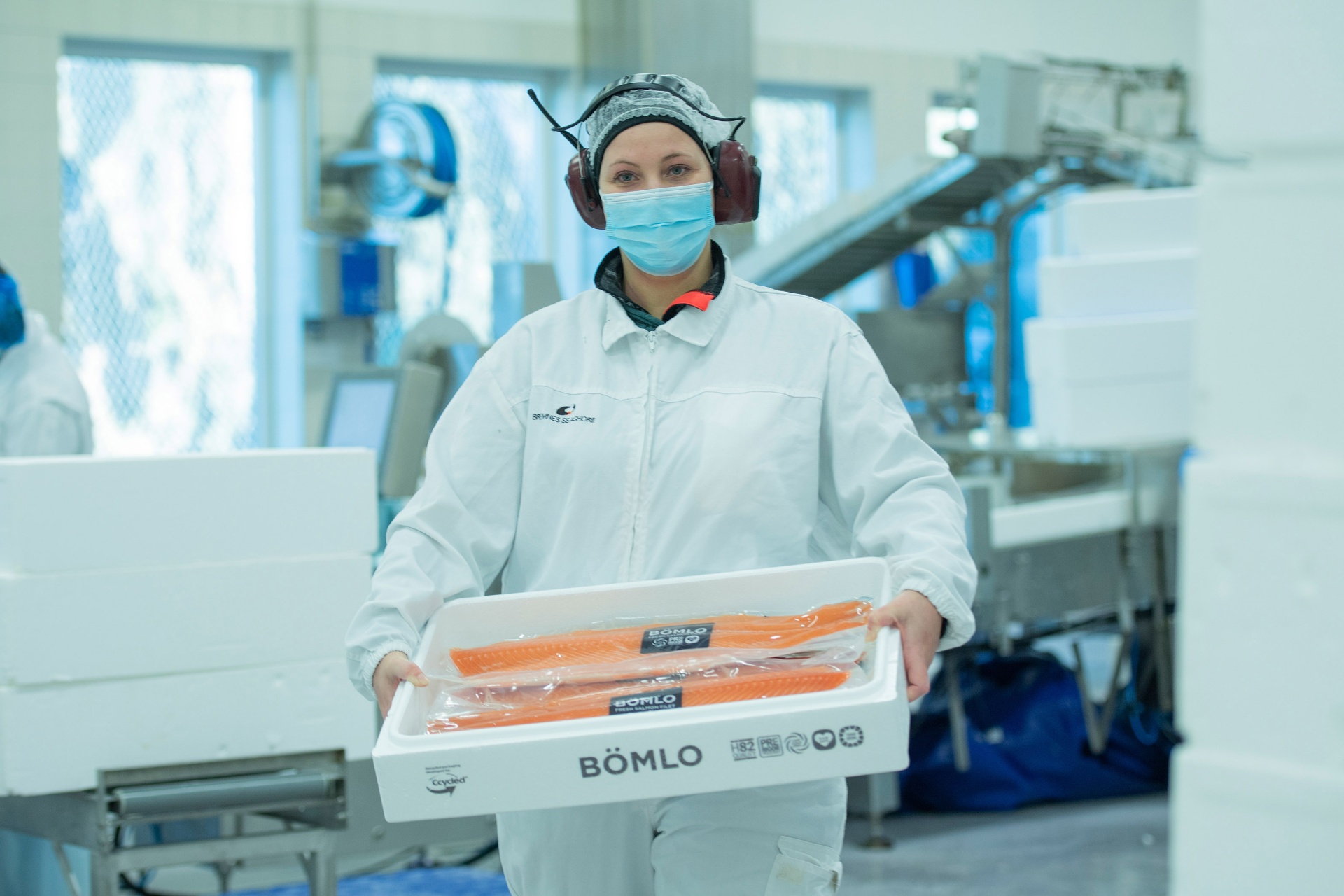
Expanded Polystyrene (EPS) plays a vital role in the protection and transport of sensitive goods across Europe, particularly in the food, pharmaceutical, and electronics sectors. Its lightweight and insulating properties make it especially suited for temperature-sensitive logistics, including fish boxes, medical transport containers, and protective packaging for home appliances. Moreover, EPS is fully recyclable and already collected and recycled at scale in several EU Member States, where dedicated systems ensure high recovery rates.

Despite these environmental benefits, EPS packaging has come under scrutiny in recent years, notably in debates surrounding marine litter. While Expanded Polystyrene is often cited as one of the most visible materials found on beaches, this visibility must be placed into context. Studies and surveys—including those conducted by the Joint Research Centre (JRC) and Litter base—show that EPS accounts for only 0.5% of marine litter by weight globally, and around 6–10% by item count. Notably, beach litter analysis does not reflect the full picture: according to CEN, such studies do not adequately represent marine plastic litter as a whole. Moreover, up to 70% of marine litter sinks and is not captured in surface monitoring exercises.

Marine litter — reality check

0.5%

of marine litter by weight globally (JRC, Litterbase)

0.02%

of total European beach litter is EPS fish boxes (68 items across all surveys)

← EPS · 0.5% ────────────── everything else ──────────────→

In a comprehensive JRC study, only 68 EPS fish box items were found across European beaches—accounting for just 0.02% of total beach litter. Regional studies, such as the 2019 Baltic Sea survey, estimate that EPS makes up between 0.0017% and 0.017% of regional EPS production in terms of leakage. These findings suggest that while EPS may be overrepresented in public perception due to its buoyancy and visibility, its actual quantitative impact on marine pollution is low—especially when measured by weight.

The Packaging and Packaging Waste Regulation (PPWR) entered into force on 11 February 2025, and offers an opportunity to modernise regulatory frameworks, but must remain grounded in scientifically accurate data. Blanket restrictions or reuse mandates that fail to consider hygiene, logistics, or recyclability risk undermine well-functioning recycling schemes and unintentionally increase the use of heavier, less sustainable alternatives.

Beyond individual national examples, EPS recycling is already established across a broad range of countries worldwide. According to consolidated data compiled in the context of international discussions, including the International Negotiating Committee (INC) process, 72 countries are engaged in EPS sustainability efforts, of which 54% have reported verified recycling rates. A significant proportion of these countries achieve recycling rates exceeding 30%, including North America and Europe, as well as countries such as Brazil and South Africa. Notably, reported data also include smaller island states and developing nations, such as the Dominican Republic and Guatemala, demonstrating that EPS recycling is technically and operationally feasible across diverse economic and geographic contexts. Several Asian countries report even higher rates, including China at 46%, Japan at 68%, Korea at 88%, and Taiwan at 83%. The compiled data were verified through multiple sources, including government agencies, third-party industry reports and EPS recycling machinery suppliers. These figures indicate that EPS recycling is not a pilot concept or future ambition, but an existing and functioning system delivering measurable circular outcomes at scale.

In parallel with operational recycling data, recent peer-reviewed research provides further technical validation of EPS recyclability. A study conducted by the Polymer Engineering Department of the University of Bayreuth, published in Polymer Engineering & Science, evaluated EPS bead foam under conditions aligned with the EU Packaging and Packaging Waste Regulation (PPWR). The researchers simulated ten consecutive mechanical recycling cycles using a constant 35% recycled content, reflecting expected regulatory requirements. The results showed that key molecular indicators, including molar mass and melt flow index, remained stable throughout the cycles. Although some mechanical properties decreased during the initial recycling stages, performance stabilised after the fourth cycle and showed no further significant deterioration up to the tenth cycle. Overall, the findings confirm that EPS can meet recycled content requirements under realistic industrial conditions without progressive molecular degradation, supporting its suitability for circular packaging applications.
Member InsightDe Vries Recycling

My grandfather started with EPS recycling in 1996, and since the beginning, people have talked about replacements for EPS. There are many lobbies from other packaging solutions or insulation materials. Together we need to propagate the strength and benefits of EPS. Its insulation properties are unbeatable, and for keeping fish fresh, there is no better solution than an EPS fish box.

And what about its recyclability? EPS is 100% recyclable, which is better than many other materials. Keeping success stories in the market and sharing them as much as possible on social media is one of our responsibilities.

Gerrit van Veen
Managing Director
02State of Play

State of Play — Construction Applications

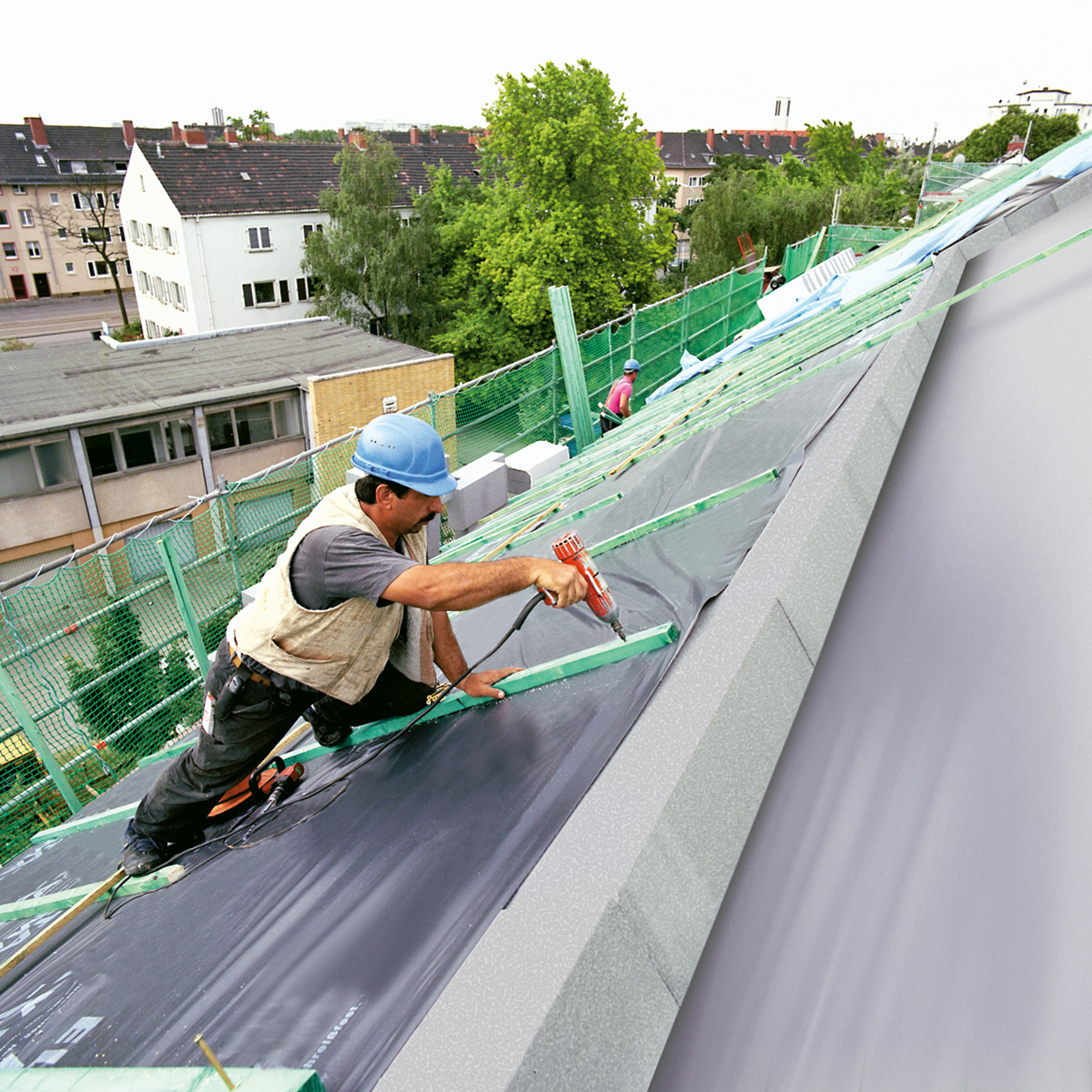
Expanded Polystyrene (EPS) is a high-performance insulation material that supports the EU's climate, energy, and affordability objectives. In construction, it plays a dual role: it helps reduce operational energy demand and contributes to a more circular, resource-efficient building sector.

EPS insulation is one of the most cost-effective ways to increase energy performance in buildings. It allows heating demand to be reduced by up to 60%, helping to meet the requirements of the Energy Performance of Buildings Directive (EPBD). Importantly, EPS maintains its insulation properties for over 50 years, offering durability and long-term value.

From a circularity perspective, EPS is:

  • Fully recyclable at end of life
  • Produced locally by SMEs across Europe, reducing transport emissions
  • Already part of established recycling and take-back schemes in several Member States

EPS is also a powerful enabler of socially fair decarbonisation. According to the "Priority? Insulation!" platform, 1 in 10 Europeans is affected by energy poverty, with many living in poorly insulated homes. Renovation with EPS can reduce heating costs by up to €1,350 annually, freeing up household income and making energy costs more predictable. Over time, these savings help to recoup the upfront investment and reduce exposure to energy price volatility. In addition, efficient insulation makes low-emission heating systems (e.g. heat pumps) more viable.

  • An 18% reduction in energy demand can translate into 37% heating cost savings.
  • Well-insulated buildings require smaller, more efficient systems, lowering both installation and running costs.

This creates synergies between energy performance, affordability, and decarbonisation, while supporting the EU Affordable Housing Plan.

Achieving climate neutrality in the European building stock will require solutions that are not only technically effective but also economically accessible at scale. The majority of European buildings are energy inefficient, and renovation rates remain too low to meet 2030 and 2050 targets. Affordable and widely available insulation materials are, therefore a structural condition for success.

EPS, including grey EPS with enhanced thermal performance, combines strong insulation capacity with cost efficiency and broad availability across Member States.

In addition to reducing operational energy demand, EPS insulation contributes to lowering the overall carbon footprint of buildings by limiting material use and supporting faster, scalable renovation processes.

Beyond operational energy savings, the climate performance of building materials is increasingly assessed through whole-life carbon methodologies. In this context, both operational emissions and embedded carbon must be considered. EPS insulation contributes to reducing overall life-cycle emissions by combining long service life, low material intensity and stable thermal performance over decades. Its lightweight structure limits resource use and transport emissions, while its durability reduces the need for premature replacement. As Product Carbon Footprint (PCF) methodologies gain prominence in EU policy discussions, including under the Construction Products Regulation and sustainable finance frameworks, it is essential that assessments reflect full life-cycle impacts and verified data.

Despite these contributions, EPS is sometimes overlooked in public renovation schemes and EU funding streams due to persistent misconceptions. Recognising the full climate and circular value of EPS in building applications will be essential to deliver the EU's climate neutrality, resource-efficiency, and social equity ambitions.

Member InsightTermo Organika (Poland)

The greatest challenge is to raise awareness that EPS is 100% recyclable. Unfortunately, there is a lot of misinformation—sometimes commercially or politically motivated—portraying EPS as equivalent to single-use plastics. This is not accurate. EPS is a long-lasting, low-carbon material with stable insulation and mechanical properties over time. When dismantled, EPS from ETICS can be fully recycled. Converters need to adopt and promote best practices in production and installation to minimise environmental impact.

Effective solutions exist—such as protective nets on scaffolding, industrial vacuum cleaners, or hot wire cutters instead of saws—to reduce waste during insulation work. The task ahead is not just technical, but communicational.

Dariusz Łazęcki
Director of Development and Quality, Vice-President of the Polish ETICS Association
03What Circularity Looks Like

Twelve initiatives across the value chain, quietly making the loop close.

Across Europe, members of the EPS value chain are advancing practical, scalable solutions that contribute to the EU's circular economy and climate goals. From construction to packaging, they are investing in innovation, redesigning materials, and building the infrastructure needed to close the loop. This section presents a range of industry-led initiatives that show how circularity is being implemented in real terms—through smarter collection systems, and high-quality recycling at scale. These efforts demonstrate the sector's commitment not only to improving environmental performance, but also to creating value for local communities, industries, and the European economy as a whole.

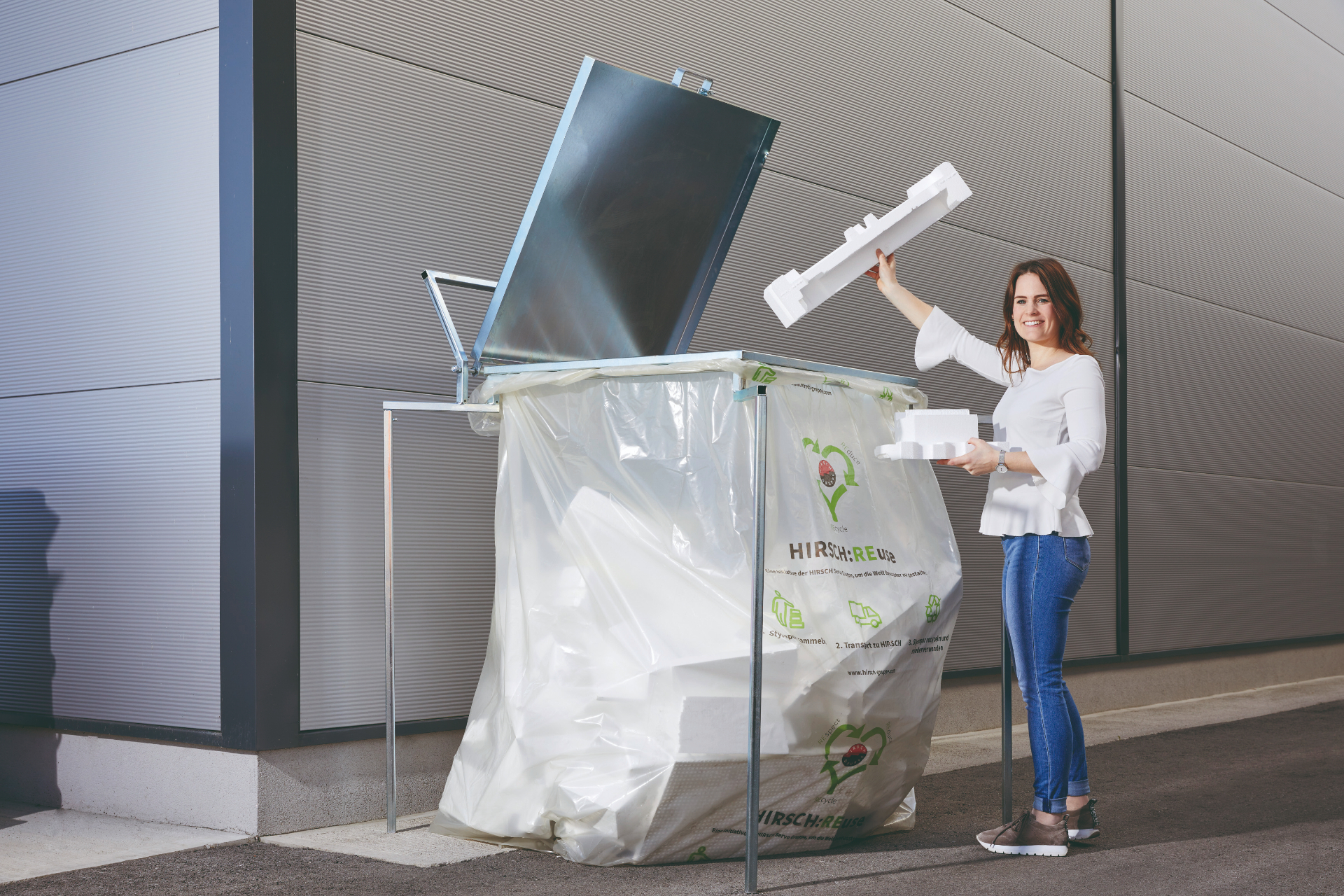
EPS collection at HIRSCH
Scroll horizontally →12 initiatives
Construction · Austria#epsolutely

EPSolutely Project

Launched in January 2022, the EPSolutely project addresses environmental challenges in the EPS industry by developing sustainable, circular economy solutions. Led by Fraunhofer Austria, this initiative brings together multiple stakeholders, including EUMEPS members, to find scalable, efficient recycling solutions for EPS waste from packaging, construction, and demolition sites.

Our products have always been designed for resource efficiency and climate protection. EPSolutely serves as a flagship initiative for the European EPS industry, proving that EPS can be effectively recycled in a closed-loop system.
Roland Hebbel, Steinbacher Dämmstoffe GmbH
Construction · Spain#priority-insulation

Priority? Insulation! & Orcasitas

Led by the European Insulation Platform of which EUMEPS is an active member, this campaign highlights successful renovation projects prioritising insulation. In Orcasitas, a social housing district in Madrid, EPS contributed to halving energy bills and improving living comfort, demonstrating insulation's role in tackling energy poverty and achieving a just transition.

By strengthening our own capacities, we can make Europe more resilient and build a clear competitive advantage. Insulation material supply chains are largely European and self-sufficient. Investing in insulation today is therefore not only about improving energy efficiency; it is also a way to strengthen the European economy.
Amaury Omnès, Managing Director, HIRSCH Isolation (France)
Construction · Pan-European#hirsch-reuse

HIRSCH REuse Initiative

HIRSCH, a pan-European EPS converting company, has established the HIRSCH REuse program focusing on the efficient and sustainable collection and mechanical processing of EPS waste from both insulation and packaging streams. By reintegrating the recycled material into production, HIRSCH promotes a circular economy at industrial scale.

Packaging · France#crea-styr

Créa-Styr

Launched by ELIPSO and EUMEPS, the Créa-Styr project aims to establish an efficient recycling chain for expanded (EPS) and extruded (XPS) polystyrene packaging in France. Targeting 100% recycling of collected EPS and XPS packaging by 2030, the initiative focuses on enhancing collection and sorting, increasing recycling rates, and raising awareness across the value chain. Currently, 33% of EPS packaging is recycled in France, with industrial and commercial packaging reaching 50%.

Packaging · Italy#porto-a-porto

Operazione EPS "Porto a Porto"

Launched by AIPE (Associazione Italiana Polistirene Espanso), this initiative enhances the collection and recycling of EPS fish boxes across 12 Italian ports, preventing marine pollution and promoting circularity. In collaboration with Legambiente's Goletta Verde campaign, the project also raised awareness about responsible EPS waste management. The EPS collected in dedicated port areas is transported to specialised recycling centres, where it is processed into new raw materials—a working circular-economy model.

Recognition · Global#unep-ellen

UNEP & Ellen MacArthur Foundation

In 2023, UNEP's Plastic Pollution Science report identified the few plastic packaging formats proven recyclable in practice and at scale—EPS for transport packaging was explicitly listed alongside PET and HDPE bottles. The same year, the Ellen MacArthur Foundation acknowledged that EPS transport packaging meets its "in practice and at scale" criteria and is no longer covered by the Global Commitment. Recycling rates surpass 90% in Denmark, the Netherlands and Greece.

Prevention · Europe#ocs

Operation Clean Sweep®

OCS is a long-standing, industry-led programme aimed at eliminating the unintentional loss of plastic granules, flakes and powders into the environment across the entire plastics value chain. An OCS Europe Certification Scheme, developed by PlasticsEurope and EuPC, sets harmonised requirements and audit procedures enabling independent verification. Several EUMEPS members are engaged in OCS or equivalent certification schemes.

The OCS® certification demonstrates our progress in preventing plastic pellet losses. Consistent technical improvements and dedicated employee training have been essential in achieving this. As a raw material manufacturer, we voluntarily take responsibility and remain actively committed to preventing pellet losses.
Gregor Haverkemper, BASF
Guidelines · Baltic#helcom

HELCOM Guidelines

HELCOM (the Baltic Marine Environment Protection Commission) has developed Guidelines to Handle EPS and XPS on Building and Demolition Sites, endorsed by Contracting Parties in 2025. They cover all stages from pre-planning to material handling, collection, recycling and reuse, supporting efforts to reduce land-based and marine pollution and reinforce the contribution of EPS to energy efficiency and circularity.

Recycling · France#knauf-circular

Knauf Circular®

Knauf Circular® offers a comprehensive EPS waste collection and recycling service across France. Serving both construction sites and packaging industries, the program ensures that clean EPS waste is transformed into new products, such as building insulation and packaging materials. With 18 dedicated recycling sites, Knauf Circular® exemplifies a holistic approach to circular economy practices.

Closed loop · Nordics+#bewi

BEWI Circular

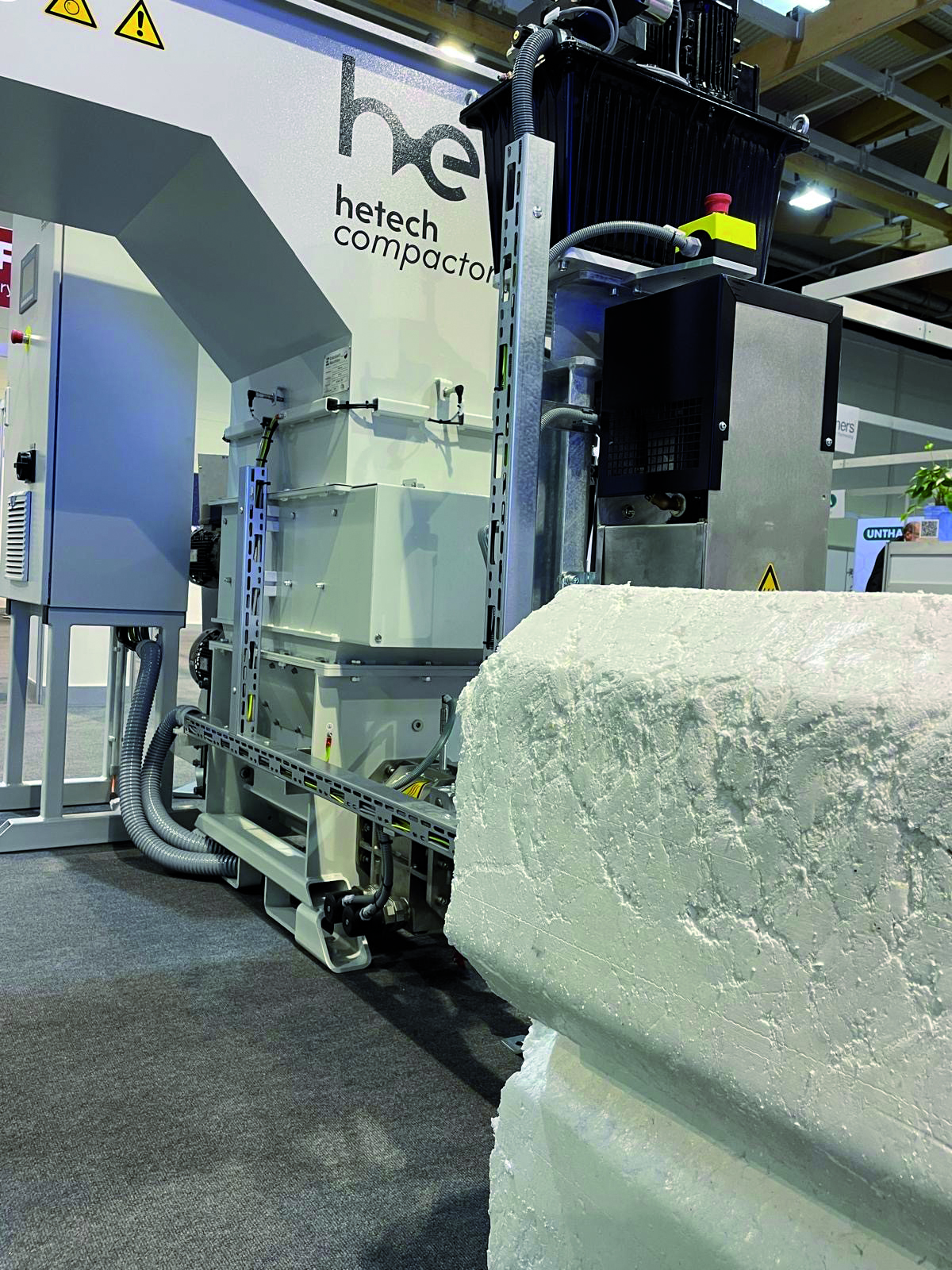
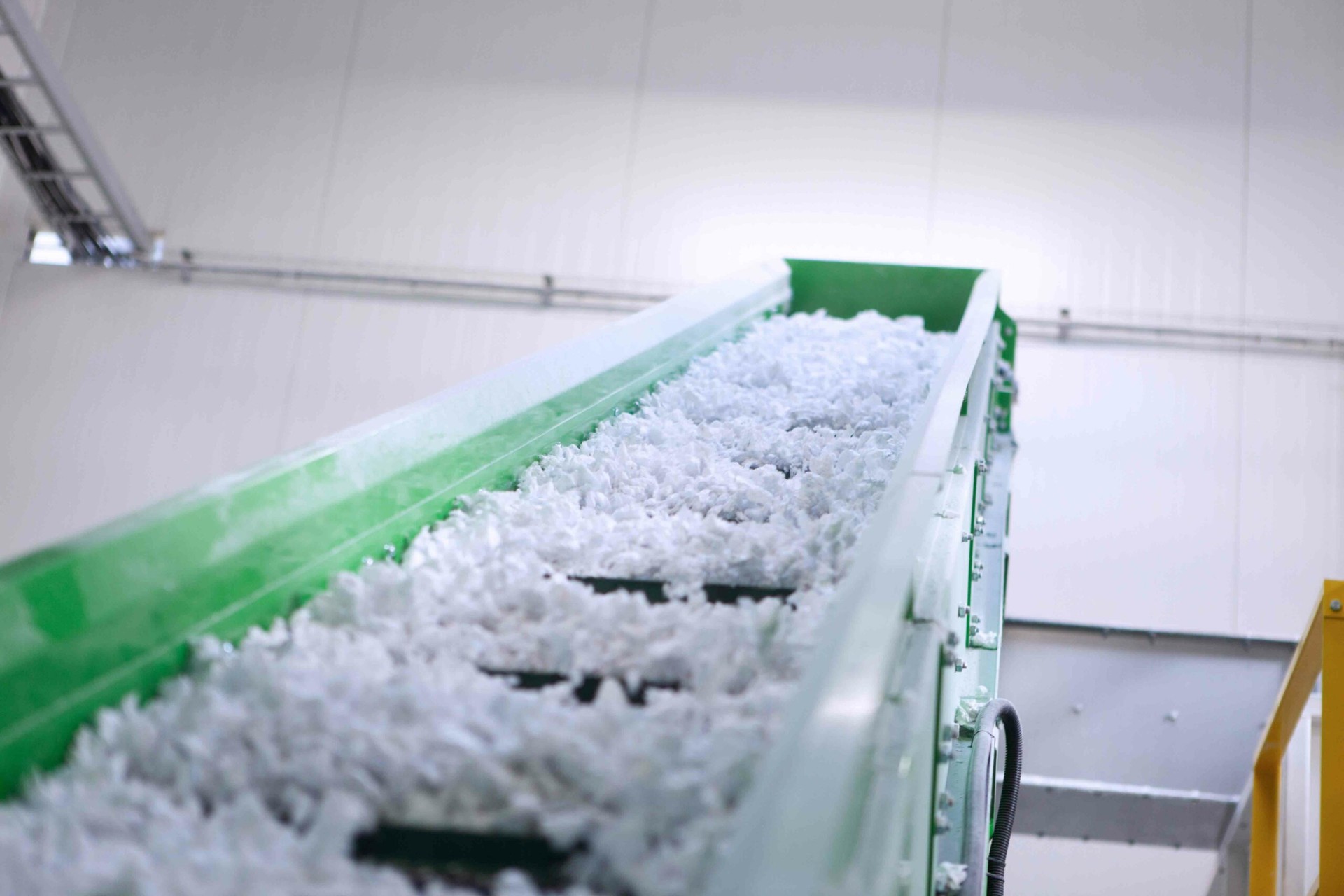
BEWI collects approximately 40,000 tonnes of used EPS annually and converts it into new raw material reintegrated into insulation and other applications, reducing the need for virgin resources. BEWI operates recycling facilities in Norway, Sweden, Czechia, Portugal, Belgium and the Netherlands, and has launched a range of products containing up to 100% recycled EPS.

Our handling of EPS creates a closed loop that saves natural resources, reduces waste management, lowers CO₂ emissions, and reduces water consumption.
Elin Sohlberg, Head of BEWI's Circular segment
Recycling plant · Italy#versalis

Versalis Recycling Plant

Versalis, the chemical division of Eni, has inaugurated a state-of-the-art recycling plant in Porto Marghera, Italy. The facility produces up to 20,000 tonnes annually of recycled crystal polystyrene (r-GPPS) and expandable polystyrene (r-EPS) using secondary raw materials from EPS waste—intended primarily for packaging and construction, from thermal insulation panels to protective packaging for household appliances.

Awareness · Italy#mission-recycle

Mission Recycle

Mission Recycle is an Italian initiative dedicated to promoting the recycling of Expanded Polystyrene across various sectors. The program focuses on educating consumers, businesses and municipalities about the recyclability of EPS, aiming to increase collection rates and reduce environmental impact through cross-stakeholder collaboration and sustainable practices.

Advancing Sustainable EPS Materials

Secondary raw materials, certified and at industrial scale.

The EPS industry is increasingly incorporating secondary raw materials into its product range:

01
Brand
HIRSCH Isolation

The REuse range offers insulation products made entirely from recycled EPS, sourced from production offcuts and construction site waste. These products maintain high performance standards and are certified by ACERMI.

02
Brand
Knauf

Knauf operates the Knauf Circular® programme, collecting clean EPS waste to reintegrate into new product manufacturing, promoting a circular economy approach.

03
Brand
BEWI

Certified Recycled EPS (CREPS) is certified by a 3rd party, securing the allocation of raw material to the industries and products where they are best suited. The performance and quality of the material are maintained, while the CO₂ footprint is significantly reduced.

04
Brand
Versalis

The Versalis Revive® EPS line contains up to 80% secondary raw materials derived from the selective collection of household plastic waste in Italy. These products are certified by Plastica Seconda Vita (PSV).

In addition to mechanical recycling, established mass balance approaches enable the introduction of circular or bio-based feedstocks into existing production systems at scale. Under certified mass balance schemes, a defined share of recycled or renewable raw materials is allocated to specific product volumes, while maintaining industrial efficiency and supply chain continuity. This approach supports Product Carbon Footprint reduction and facilitates compliance with recycled content targets under EU legislation. When transparently certified and audited, mass balance provides a pragmatic pathway to accelerate circularity without compromising material performance or industrial stability.
04Key Recommendations

Seven actions for a circular, competitive, climate-resilient Europe.

Insulation and packaging made from EPS have a proven role in delivering on the EU's environmental ambitions. Yet to fully scale their contribution, targeted policy support is required. The EPS industry stands ready to collaborate with policymakers and stakeholders to ensure that circular, recyclable and resource-efficient materials are supported across EU legislation.

  1. 01

    Ensure Clear Recognition of EPS Recyclability in EU Policy Communication

    EPS transport packaging is recognised by the United Nations Environment Programme (UNEP) as one of the few plastic packaging formats that are recyclable in practice and at scale. In its Plastic Pollution Science report, UNEP states that only a limited number of packaging formats meet this standard, explicitly listing EPS for transport packaging, such as fish crates and protective packaging for large items. While EPS is covered under existing EU legislation, its proven recyclability and operational performance are not always clearly reflected in public communication or policy narratives. Ensuring that regulatory discussions consistently acknowledge verified data would support a fair and evidence-based understanding of circular material performance.

  2. 02

    Ensure Technology Neutrality Across Sustainability Criteria

    The performance of materials must be prioritised over perception. EPS is a lightweight, energy-efficient solution that supports both mechanical and chemical recycling. EU sustainability criteria should avoid material bias and ensure that recyclable plastics are assessed fairly, based on their life-cycle performance, recyclability, and circular potential.

  3. 03

    Invest in Circular Infrastructure and Scalable Collection Systems

    Where EPS recycling exists, the EU should channel funding into local and regional collection infrastructure. This includes supporting public-private partnerships, modernising sorting facilities, and aligning collection schemes across borders to create a true Single Market for secondary raw materials. Circularity must be accessible in all Member States.

  4. 04

    Support Low-Carbon Materials in Renovation and Housing Policy

    EPS insulation enables significant energy savings, helps address energy poverty, and prepares homes for decarbonised heating systems. EU renovation and affordable housing programmes should embed the principle of material neutrality, allowing effective low-carbon solutions like EPS to be part of the toolbox. Energy Performance of Buildings Directive (EPBD) implementation and National Renovation Plans should prioritise insulation as the first step.

  5. 05

    Strengthen Market Surveillance and EHS Compliance for Imports

    European producers are subject to high environmental, health and safety (EHS) standards. Imported EPS products and recyclates must be held to the same requirements. The EU should enhance market surveillance, tighten border checks, and ensure a level playing field by enforcing EHS compliance on all materials placed on the European market.

  6. 06

    Encourage Innovation in Recycled Feedstocks

    The EPS industry is scaling the use of secondary raw materials, including certified recycled content. EU policy should support mass balance certification and incentivise investment in recycling innovation. Harmonised approaches to recycled content targets must be developed in line with feedstock availability and quality requirements.

  7. 07

    Promote Awareness and Education about Circular Materials

    Public misperception remains a barrier. EU and national governments should fund awareness campaigns, support educational initiatives, and collaborate with industry to disseminate factual information. Correcting outdated assumptions is critical to achieving a truly circular and material-neutral economy.

05Conclusion

A material Europe already relies on — and a partner for what comes next.

EPS has a demonstrable role to play in Europe's transition to a circular and climate-neutral economy. It is lightweight, durable, and fully recyclable — offering solutions that are both high-performance and affordable. Through this publication, we highlight how our members are making circularity a reality across Europe. From strengthening material circularity in packaging applications to supporting energy-efficient renovation of the building stock, the EPS industry contributes to Europe's environmental and industrial policy objectives.

Yet, to achieve systemic impact, we need enabling policies, investment support, and recognition of the value of our material. With the right incentives and collaboration, EPS can continue to support Europe's goals for 2030 and 2050.

EUMEPS and its members remain committed to sharing data, solutions, and best practices. We invite EU policymakers and stakeholders to partner with us in building a circular future.